
Once you’ve become aware of the sheer volume of material we send to landfill day in day out, you soon become wary of throwing anything away, even if it can’t be recycled.
Food waste, for example, generally makes up a large part of what we end up sending to landfill sites. Whilst, we can’t ‘recycle’ food waste as such, we can still find alternate uses for it.
One of the most common solutions amongst the environmentally minded is composting, which sits very well with other sustainable lifestyle choices, such as growing your own food.
Of course, this is all well and good if you actually have a garden, if however, like me, you live in a city apartment, where space is very much at a premium, it’s not a particularly viable option.

However, worm farming (or vermiculture as it’s also known) can allow you to make good use of your plate scrapings, and doesn’t take up much space, especially if you go for a mini wormery, which is essentially just a small plastic bin in which your worms will live, with a tap at the bottom so you can drain away the nutrient rich liquid that’s produced.
With this in mind, I purchased myself a worm farm and, for a while, all was well. The inhabitants seemed perfectly happy with their home until, suddenly, a couple of months later I found that, sadly, something had gone wrong, and all the worms had died.
Having learnt some important lessons, I am currently embarking on my second foray into vermiculture. Here are a few dos and don’ts I’ve picked up which you’ll find helpful if you’re thinking of starting a worm farm;
Do
Pay Attention to Temperature and Moisture Levels
Probably the biggest reason for the failure of my first worm warm was that I inadvertently allowed it to dry out. I bought the farm in January when the days where very short and generally overcast, so it didn’t occur to me that where I’d placed it (next to my kitchen bin) might be problematic.
When we had an unexpected burst of bright, hot weather in the spring, it turned out that whilst I was at work, my worms where sat directly in the sunlight coming through my window.
This undoubtedly caused problems as, for one thing, most species of worm you’d use in vermiculture (red worms or tiger worms) will only breed in temperatures between 18-25 degrees Celsius (64-77 degrees Fahrenheit).
By the same token, you shouldn’t overcompensate by watering the farm too much. You’ll know if it’s too wet as it will start to smell and you’ll probably find the food rots quicker.
Use Coffee Grounds
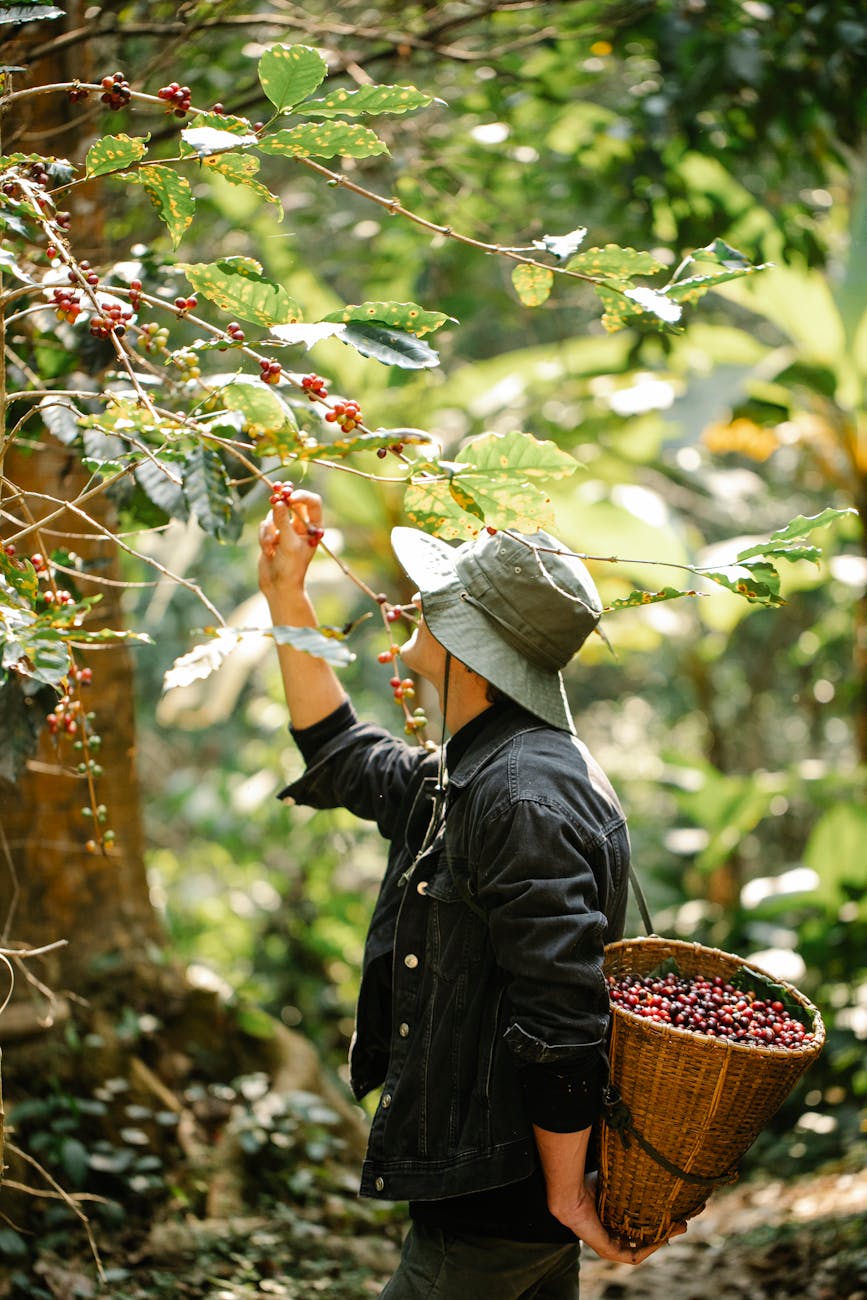
Of all the waste I’ve used in the farm, used coffee grounds have been one of the most successful.
The worms love it as a foodstuff and, as the grounds are wet, they help keep the farm moist. I even found that if I mix things up so that the coffee grounds are a sort of top layer, the worms will eat through the other scraps to get to them quicker.

I have a friend who works in a café near my house who brings me a small bin bags worth of used grounds at the end of every shift, and if you go into your local coffee shop, they’ll usually be willing to let you have used grounds as they will only throw them away otherwise.
This means more landfill dodging!
Use it as a Shredder

I was really pleased to learn that worms will eat small pieces of wetted paper, which is great as, even in this supposedly paperless age we all have documents that we need to dispose of now and again, and throwing them in the recycling can potentially leave you open to identity theft from unscrupulous individuals if they contain personal information.
One more benefit of keeping worms!
Don’t
Overfeed
This is very tempting, especially when you first get your farm and it is still something of a novelty. Worms can eat over half their body weight in a day, which is pretty impressive, but is no license to go crazy.

Only refresh food supplies once they are running low. Keep an eye on the population, though. If numbers are dwindling it could be that more food is needed.
Use Acidic Foods
I made some freshly squeezed orange juice one morning and assumed the pulp would make a nice, zesty addition to the farm.
Wrong!!

Worms are not fans of citrus, or even slightly acidic vegetables, such as tomatoes and onions. Pineapple is a killer and definitely one to avoid as it contains an enzyme that is fatal to worms- indeed, doctors often recommend consuming pineapple as a tapeworm cure!
Forget to Mix the Soil
Worms need oxygen, so remember to get in there and give your wormery a bit of mixing up every now and again.
This will also help to stop the soil compacting into inhospitable clumps.








 Ground to Ground
Leave a reply to Mira cómo usar el café molido en tus plantas y aprovechar todos sus beneficios – Radio Caribe Cancel reply