Hi all – This is our second post written specially for Ground to Ground, and is a topic dear to my heart – used coffee grounds! Jessy is our guest writer, and has been using coffee grounds for some time. It is really encouraging to have this kind of involvement from gardening folk, and I extend the offer to anyone that has skills and experience to share. Enjoy – Shane.
Used Coffee Grounds as an Alternative Fertilizer
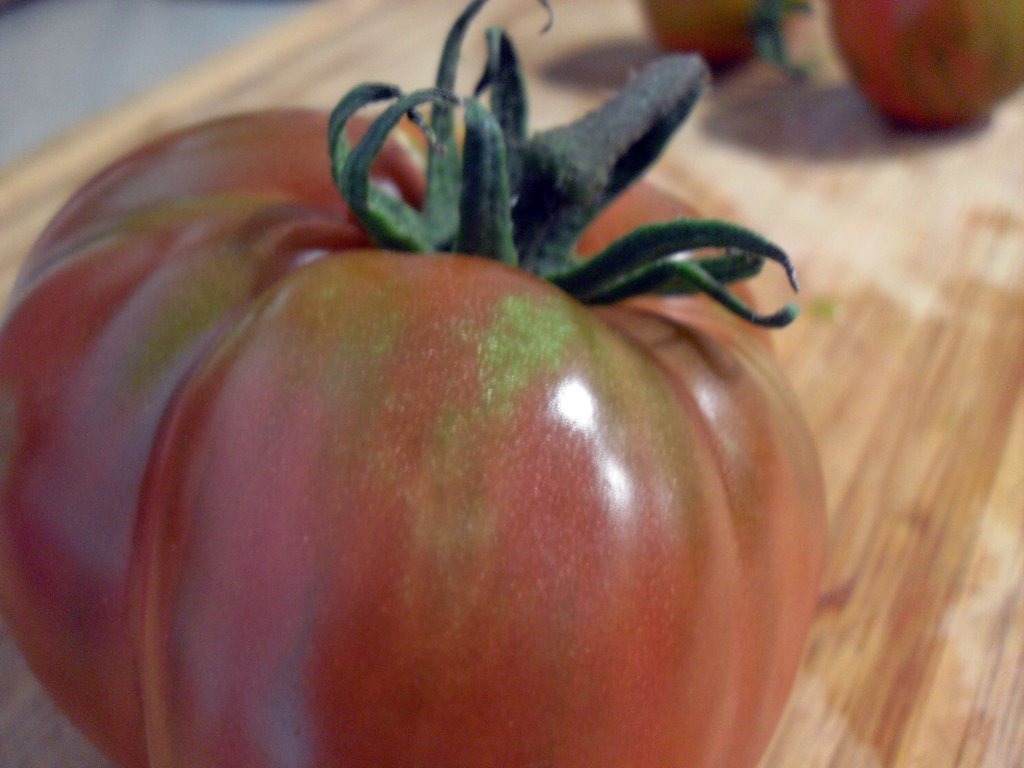
As a gardener you probably face a number of worries when it comes to your tomato plants. Bugs and animals, people walking through your soil, weather and climate conditions, and fertilizing. If you have been using pesticides and fertilizers from the store, I have news for you: there is a better way! You can get lush and beautiful tomato plants using all natural ingredients found at home. Namely, coffee grounds.
Used coffee grounds make some of the best fertilizer around. Containing nutrients that support healthy plants, acids and nitrogen, the soil will become the perfect habitat for this lovely red fruit. It will also repel insects and slugs, which are usually very attracted to the promise of a juicy tomato to burrow into. The only critter it will attract is the worm, and you want those living in your soil.
There is another benefit to using coffee grounds, and that is environmental. Pesticides and fertilizers created in factories and sold in stores are more harmful than you might realize. First you have the general damage it does to the environment, and you will actually find it doesn’t help make your soil healthy so much as it banishes anything that will keep your plants from growing.
Second, it impacts on local insects and animal life. While you want to keep slugs and other pests from your tomato plants, you don’t want to kill them. You have a functioning ecosystem working in your garden. If everything begins to die, then that lifecycle can’t function. The natural system relies on balance throughout the cycle.
Third, there is the packaging. Not only do you have the container that the fertilizer or pesticide comes in, but you have the packaging those packages come in. Transport, stocking, then transportation…a lot of resources are used. You can cut down a huge amount of waste by shifting to organic gardening.
How To Use Coffee Grounds for Tomato Plants
You don’t have to add the coffee all at once. Instead, you should add grounds a few times a week to your top soil, and the amount will depend on the size of your gardening space. For a general idea, if you have a large pot with two or three tomato plants, you would add in about a scoop and a half to two scoops worth of grounds a week. The same amount would be used in a garden, so that amount for every couple of plants. Most of us drink at least this much coffee, so I would suggest collecting it in a spare, empty tin to use over time.
Sometimes I also use old coffee itself for the tomato plants. When I go out to water them, if I have a pot of cooled coffee I am not planning to finish, I will pour some of this on the plants. Of course, it has to be cold and if it is too thick I would suggest adding some extra water. I wouldn’t do this too often, maybe a few times a month.
If you are seeing an effect but not as much as you would like, you can always add in more coffee grounds and adjust over time. The condition of your soil, the climate, the size of the plants and other factors can interfere. Luckily, because it is an organic fertilizer you aren’t likely to see any negative results if you use too much or too little. So you can find what works for you.
Other Organic Fertilizers
Making compost is a great way to help your soil. Some other good choices for organic fertilizer are egg shells and new or old milk, as well as old coffee with milk in it. Some old teas are also alright. I have a friend who opens tea bags and mixes them in with the coffee grounds, though I have no idea how well it works.
Sometimes people even use other vegetables and fruits, or peels. If you put it all together and let it rot a bit (somewhere there won’t be a smell), it can help break down into the soil. There are plenty of websites that offer advice on how to make compost this way, and what items work the best.
Jessy is creative blogger and geeky gardener blogging for Broadband Plan Finder, the free tool for Australian consumers seeking the best broadband plans.
What are you using to fertilize your tomatoes?
Related articles
- 5 Things That Cause Yellow Leaves on Tomato Plants (brighthub.com)
- Coffee Grounds in Compost (groundtoground.org)
- The Dreaded Blossom End Rot Has Struck. (redgardenclogs.wordpress.com)


Hi. A can you use decaf coffee or is regular coffee best? also, I just found this post and my plants are already in the ground for a few days. Will it hurt if I addition to the soil now?
No will not matter if you are using deCaf as it will break down all the same. As for those new plants, you are good to add some to the soil- just a handful, then in anOther week add a couple more. Best of luck with and thank you for stopping by.
Pingback: Growing Stuff April 20th « what have we got here?
Great tip, I just put our grounds straight in the compost each morning, but Ill give putting them straight in the tomato bed a try!
Great to hear that Janette. Please let us know how you find using them direct on the tomatoes.
Love this site and this is one of my favourite articles from the many green blogs I follow. Keep it up!
Pingback: Fermented Organic Waste with Corresponding Aromas… « My Shepherdstown
Pingback: Your Questions About Growing Tomatoes In Containers Soil
Pingback: BioBag MaxAir Compost Bucket 1 ea | The Home Compost Store
Pingback: September Guest Posting Round-up!
Pingback: Benefits of Coffee Grounds For Your Garden | Coffee Grounds to Ground
Pingback: Eliminate Garden Pests – Naturally | Eco Friendly Daily Livin'
Great ideas for reusing coffee grounds and naturally fertilizing our tomato plants. I stumbled the post for you so hopefully others can read this useful gardening tip. Best wishes and thanks to Shane for stopping by my blog and leaving a comment.
Wow you bet. I’ve had almost 500 hits on this page due to your stumble, so please COME BACK AND STUMBLE MORE
In Melbourne we are heading into Spring now, and about to start getting the seedlings ready. There will be plenty of use for coffee grounds at my place.
Enjoyed visiting your site also Recycle Cindy!
I use coffee grounds in my worm bin. They process it along with the other scraps and bedding into a very rich Vermicompost that is unbeatable for Tomatoes, Peppers, Roses, and many many other plants in my gardens.
Thanks for stopping by Rich. Totally agree with you there – vermicast is an amazing thing to add to the soil. The plants just thrive wherever it is added.
I started growing tomato-plants and red-pepper-plants last week. The seeds are from the tomatoes and red peppers we ate (after buying them in the local store). Anyway, I used coffee grounds to fertilize, after reading your post. The plants are now 1 inch big, so still a long way to go
About 3 months back we grew some tomatoes too, without fertilizing them. They grew all together 4 tomatoes. So I am keeping score on this new project!
All the best with those tomatoes! They really are fun to grow, well easy to grow. Not always easy to get all the fruit. Please let us know how it goes.
Pingback: Coffee Grounds: Natural Rodent Repellent? | Coffee Grounds to Ground
Are coffee grounds good for watermelon and zucinni?
You bet Anthony. I actually showed off a zucinni in an earlier post which you will find at this link – http://groundtoground.org/2011/02/18/flowers-of-summer/
From experience yes they are Anthony. You want to get a good quality coffee compost integrated into the soil at least a few weeks before the seeds do. And the results are fantastic for both zucinni and watermelon.
Oh nice! I just saw my guest post go live! Thanks, Shane, for publishing!
Sorry I didn’t let you know when it went live
Great article, thank you. Will put the link up on myblogguest.
Yah! Tomatoes for everyone!!
I’ll drink to that Ross
Good to know Shane. Will be growing a heap of tomatoes this Spring and am making a trip to my cafe today!
That is great to hear Magnus. One the nest things about collecting used coffee grounds is that the finished product is waiting for you at the closest coffee shop. Good luck with it all.
Good piece. I guess it makes intuitive sense that a plant that produces mildly acidic fruit would benefit from a mildly acidic fertilizer. As I’ve said here before, I never knew what all you could do with coffee grounds until now. Nice one.
Thank you. That is a good site you have yourself!