
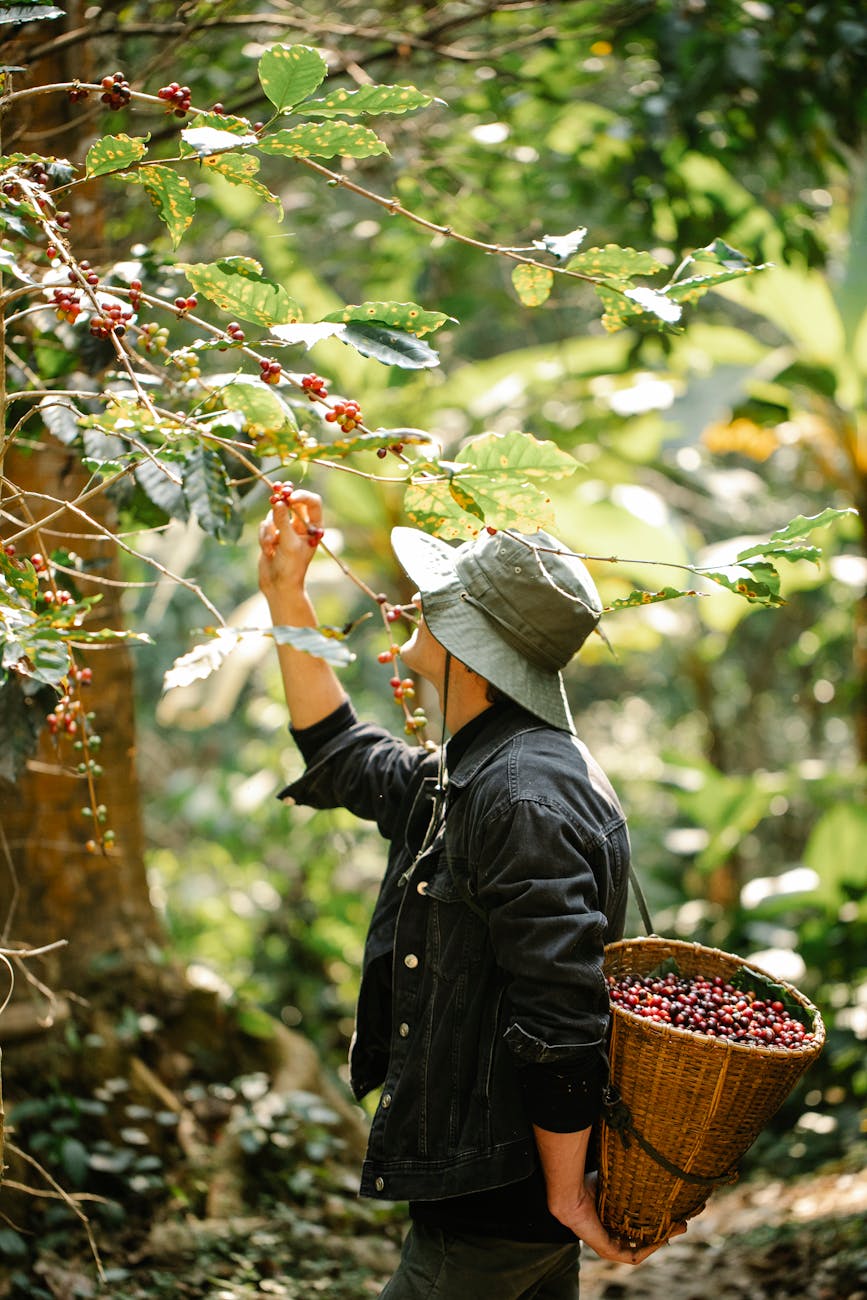
Our future largely depends on volunteer sustainable farming. The climate doesn’t care about tradition at all, so new ways of preserving energy and maintaining soil and final produce health are vital. Into that mix walk volunteers, both locals and people from far corners of the world, arriving with all sorts of motivations and wide ranging skills.

Working Beside Communities
Local farms across the world often work with volunteers who arrive with much enthusiasm. That’s because the presence of extra hands changes the rhythm of everything. Communities that welcome people into their fields usually notice how knowledge begins moving in both directions. Farmers explain the strange quirks of their soil, and volunteers bring their own backgrounds that sometimes include different growing methods or tiny hacks learned in completely different climates.
This exchange is vital. It helps farms adapt faster to unpredictable weather patterns. Many regional growers talk about how the simple act of having someone curious at their side encourages them to rethink older habits that may not match the climate anymore. This collaboration ends up strengthening local food systems.
Supporting Soil Health in Small but Steady Ways
Sustainable farming depends heavily on soil that stays alive. Well, any kind of farming requires the soil to be anything but tired and shallow. Volunteers often join projects focused on soil recovery. This involves work that can feel slightly repetitive and messy. People have to do things like mulching, compost turning, and seedling care, and although all of this is messy, it helps farms restore organic matter after years of intense production. On many farms, this kind of work draws on the same principles behind mulching and vermicomposting, techniques volunteers often pick up quickly and carry with them to the next project.
What stands out is how these activities are done with many different hands, which speeds up processes that would take a single farmer too long. Farmers who receive assistance in this area typically feel more comfortable utilizing regenerative techniques rather than chemicals that deteriorate the land. Although they save time, chemicals aren’t always the best option.
Introducing New Techniques Without Overpowering Local Culture
Sometimes international volunteers join volunteer abroad programs situated in places where customs around agriculture feel deeply rooted. The role volunteers play there works best when it respects traditions rather than trying to replace them. Many programs push for a gentle exchange instead of a forceful one.
When volunteers add their perspective carefully, the farm benefits from a blend of ideas. Perhaps a volunteer shows a simple water-saving technique or a low-tech pest control trick that is easy to maintain. Maybe the farm owner demonstrates an old seed-saving ritual that reduces dependence on imported varieties. When the sharing is respectful, farms evolve without losing their identity.
Strengthening Rural Economies Through Everyday Participation
Volunteer work is often underestimated, and this is a perfect example of that. But volunteers largely contribute to great changes, such as the revival of rural economies that often struggle with labour shortages. Many farms operate in remote areas. And when you’re away from the city lights, finding seasonal workers becomes complicated.
Volunteers fill gaps that farmers can’t fill on their own. They help out during harvesting, planting, or land restoration seasons. They indirectly help local businesses around the farms as well. Shops, transport providers, small eateries, or homestays experience more activity when volunteers come through. And when rural communities don’t have to worry about financial insecurity, they are more willing to invest in sustainable farming projects.
Helping Farms Respond to Climate Pressure
Climate issues do not wait for us to know how to deal with them. And they’re especially not kind to farmers. Communities all over the world nowadays deal with heatwaves, random flooding, and crop diseases shifting their location. All of this is unpredictable and brings a lot of uncertainty. Volunteer initiatives help farms respond faster because these collaborative projects gather information across different farms and regions.
When volunteers move between farms in different climates, they carry observations. They learn how other farmers adapt. And when they start working with a new group of volunteers, farmers learn these details. This shared knowledge helps farms experiment with climate-smart crops. It helps them build better shade structures or compost systems designed to reduce heat stress.
Building Social Awareness Around Food Systems
Communities sometimes forget how difficult it is to grow food sustainably. If your resources and manpower are limited, there’s nothing much you can do. Yet, we take it all for granted. We want our carrots and beets fresh, blatantly unaware of how much work is required to deliver produce to our tables. Volunteer projects have a way of pulling people back into awareness.
But when someone spends long hours bent over garden beds, the connection to the land becomes clearer. People learn where food comes from, and they start appreciating it more. This creates ripple effects because society becomes more conscious of where food comes from and why farmers need support.

Final Thoughts: It’s A Necessary Symbiosis
The partnership between volunteers and farms continues shaping a farming world that adapts through cooperation rather than competition. Collaboration becomes a long thread linking soil, people, and the future of food, leaving space for further creativity as global agriculture keeps evolving.





Leave a Reply