Guide to Vermicomposting:
Benefits, Science, And How Healthy Soil Can Come From Coffee Grounds
Composting is a beautiful example of nature’s full circle, turning waste into a resource. Among the various practices, vermicomposting stands out for its efficiency and nutrient-rich results. In this detailed guide, we’ll explore the why and how of vermicomposting and share the surprising role of coffee grounds in this eco-conscious process. Whether you’re a gardening enthusiast or a coffee lover, this primer on vermicomposting is your go-to resource for creating sustainable habits that nourish both your garden and the environment.
Introduction to Vermicomposting
Composting with Worms
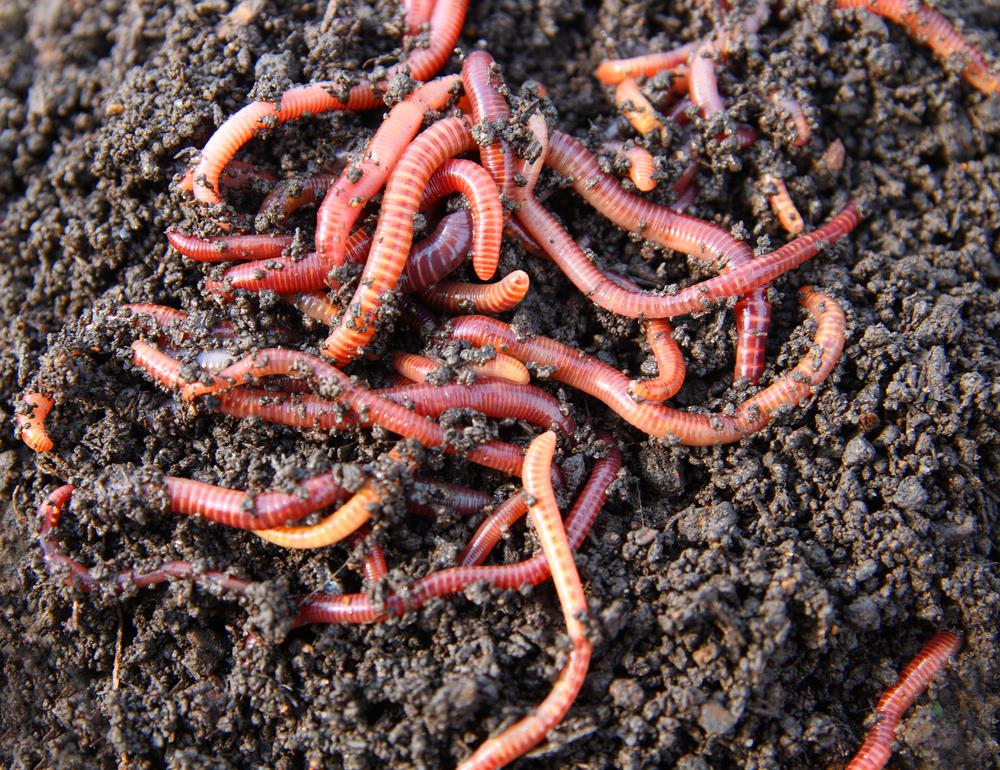
Vermicomposting is the art of composting with earthworms, transforming organic waste into a potent fertilizer known as vermicompost. Unlike traditional composting, which relies on macro-organisms such as insects and microorganisms to break down organic matter, vermicomposting specifically harnesses the digestive power of special earthworm species. The result is a nutrient-dense soil amendment that gardeners treasure for its ability to improve soil structure and support vigorous plant growth, all while reducing landfill waste. In this guide, we’ll delve into why vermicomposting is such a powerful practice and how you can start doing it at home, even with a surprising ingredient – coffee grounds.
Benefits Of Vermicomposting
Worms At Work: Transform Your Waste
Vermicomposting offers a host of benefits that make it a compelling and sustainable practice, especially for gardeners and those who are eco-conscious. By harnessing the power of these amazing creatures, vermicomposting not only helps reduce food waste but also enriches the soil with nutrient-rich compost, promoting healthy plant growth and minimizing the need for chemical fertilizers. Additionally, the use of worms in the composting process accelerates decomposition, resulting in faster and more efficient breakdown of organic waste. With its numerous advantages, vermicomposting is a simple yet impactful way to contribute to a greener and more sustainable future.
Reduced Waste and Landfill Impact
Food and organic waste are a substantial part of what we send to landfills. By composting, especially with worms, you divert waste from these sites, reducing the greenhouse gasses that decomposing organic matter would’ve released. In turn, vermicomposting helps reduce the production of methane gas and other harmful emissions that contribute to climate change. By reducing our waste output, we also minimize the need for landfills and create a more sustainable environment.
Nutrient-Rich Soil Production
The resulting vermicompost is packed with nutrients like nitrogen, phosphorus, potassium, and other essential minerals in forms that are readily available to plants. This organic fertilizer can improve crop yield and enhance the vitality of your garden. Vermicomposting also helps improve the overall quality and structure of the soil, making it more water-retentive, better aerated, and less compact. This healthy soil structure is essential for plant growth and vitality.
Easier And Faster Composting
Vermicomposting is overall quicker than traditional composting, taking as little as half the time. Also, it doesn’t require the constant turning of compost heaps, making it less labor-intensive. The worms’ digestive process is also more efficient at breaking down waste, producing a finer compost with fewer visible bits of food scraps. The fine texture makes it easier for plant roots to access nutrients and speeds up the decomposition process.
Enhanced Soil Health
The complex microbiology of vermicompost can be incredibly beneficial to soil health. It increases the presence of microorganisms that form a symbiotic relationship with plant roots which can help with nutrient absorption. Vermicompost also promotes a balanced and healthy environment for plants to grow by improving soil pH levels and reducing the need for chemical fertilizers, which can harm soil organisms.
The Science Behind Vermicomposting
Understanding Why (And How) It Works
Understanding the vermicomposting process and the scientific principles behind it can help you optimize your own approach for the healthiest outcomes. Vermicomposting relies on the symbiotic relationship between earthworms and microorganisms, which work together to break down organic matter into nutrient-rich compost. The worms consume the waste and digest it, while the microorganisms help break down the waste into more manageable pieces. The result is a fine, dark-colored compost that can then be added to soil for healthier plant growth.
Vermicomposting Steps:
Vermicomposting is a two-stage process. In the first stage, microorganisms digest organic matter and produce heat. During the second stage, earthworms consume the vermicompost, playing a crucial role in further breaking down the material and enriching it with their digestive secretions.
Earthworms feed on the compost and microorganisms surrounding it, processing the material through their digestive tracts. The digestive systems of earthworms are highly efficient at breaking down organic matter, turning it into humus, the organic component of soil. This humus is an essential part of natural soil and is drastically enhanced by the vermicomposting process.
Vermicomposting with Coffee Grounds
Reducing Waste And Feeding Your Compost
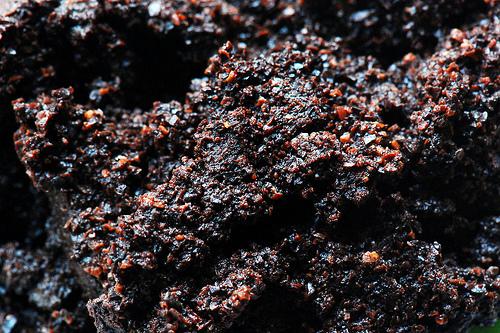
Utilizing coffee grounds in your vermicomposting mix can enrich the result with an array of benefits, provided the coffee waste is used correctly. Coffee grounds are an excellent source of organic matter and a variety of essential nutrients for soil, such as nitrogen, carbon, and potassium. They also contain some trace elements that support plant growth and are known to add acidity to the soil, making them a favored amendment for acid-loving plants.

Advantages of Incorporating Coffee Grounds
Adding coffee grounds to your vermicomposting efforts comes with several benefits:
- Nutrient Boost: Coffee grounds are rich in essential nutrients, particularly nitrogen, which is a critical component for the growth of vermicomposting worms and is beneficial for the plants that will eventually be nurtured by the compost.
- Improved Soil Structure: The granular nature of coffee grounds helps improve soil aeration and drainage while maintaining adequate moisture levels, creating an ideal habitat for worms and healthy root development in plants.
- Enhanced Microbial Activity: The addition of coffee grounds fosters a thriving micro-ecosystem by feeding the microorganisms that assist in the decomposition process, thereby increasing the efficiency of vermicomposting.
- Balancing the Compost pH: Coffee grounds can help to naturally moderate the pH level of your compost. Although they are typically acidic, once they’ve gone through the composting process, they tend to be closer to neutral.
- Odor Reduction: Coffee grounds can help reduce and neutralize any unfavorable odors that come with composting, making the process more pleasant for home composters.
It’s worth noting that while coffee grounds offer these benefits, they should be used in moderation to maintain a balanced environment for the worms and prevent over-acidity in the compost.
Tips for Effective Vermicomposting with Coffee Grounds
To incorporate coffee grounds into your vermicomposting, it is essential to do so in moderation to maintain a balanced pH level in the soil and to prevent clumping. By aerating the composting mix and not allowing the grounds to dominate the composition, you ensure that the benefits of coffee grounds are maximized without harming the worms or your soil.
Vermicomposting with coffee grounds is not only a sustainable practice but also a way to reduce your environmental footprint without sacrificing your love of coffee. You can recycle your spent coffee grounds to foster a healthier garden, creating a continuous cycle of sustainability that starts with your morning cup.
How to Start Vermicomposting
Tips For A Successful Start
Now that we have a solid understanding of the theory let’s dive into the practical steps for setting up a successful vermicomposting operation. By following these detailed guidelines, you’ll be equipped with the knowledge and skills to create an efficient and thriving vermicomposting system. From selecting the ideal worm species to preparing the perfect bedding material, you can ensure that you have all the information you need to embark on your vermicomposting journey with confidence.
- Setting Up Your Vermicomposting Bin: Choose a bin that suits your needs and space, whether it’s a prefabricated container or one you’ve crafted yourself. Invest in a bin with a secure cover to manage moisture and keep unwanted pests at bay.
- Choosing the Right Worms: Not all worms are created equal when it comes to vermicomposting. Eisenia fetida, also known as red wigglers, are the rock stars of the composting world, thanks to their voracious appetite and efficient processing skills.
- Maintaining Conditions: Optimal temperature, moisture, and pH levels are critical for a thriving vermicomposting environment. Your bin should be kept between 55-77°F with good airflow, the bedding should be kept moist but not soaked, and the pH should be close to neutral.
Using Vermicompost in Your Garden
Experience The Full Benefits of Composting
Vermicompost helps retain soil moisture, prevents erosion, improves aeration, and wards off plant diseases due to its rich microbial life. Plants grow more robustly, with improved root systems and greater resilience to environmental stressors, thanks to the nutrient bounty of vermicompost.
The benefits of vermicomposting in gardening are numerous and contribute significantly to a healthier garden ecosystem:
- Enhanced Soil Fertility: Vermicompost introduces a rich concentration of essential nutrients like nitrogen, phosphorus, and potassium, which are vital for plant growth.
- Disease Suppression: The microbial diversity in vermicompost has been shown to help suppress plant diseases, reducing the need for chemical interventions.
- Improved Soil Structure: The humic substances in vermicompost improve soil structure, leading to better water retention, aeration, and root penetration.
- Increased Plant Growth: Plants in soil with vermicompost tend to display increased growth and yields due to the abundance of readily available nutrients and growth hormones.
- Sustainability: By repurposing organic waste, vermicomposting is an eco-friendly practice that reduces landfill use and the environmental impact of gardening.
- Reduced Need for Chemical Fertilizers: The nutrient-rich nature of vermicompost can decrease the gardener’s reliance on synthetic fertilizers, promoting an organic approach to gardening.
Transform your garden by harnessing the power of vermicompost to nurture healthier plants and cultivate a thriving, sustainable environment.
Vermicomposting With Mojo Coffee
We Can Help You Get Started
Vermicomposting offers a myriad of benefits when incorporated into your daily routine. Whether you’re a seasoned green thumb or a novice gardener, vermicomposting with coffee grounds is a simple yet impactful way to play a role in sustainable living and soil health. By initiating this cycle, you not only reduce waste but also contribute to the beauty and richness of the earth’s bounty – a purposeful life cycle inspired by nature itself.
For Austin, Texas, residents and coffee enthusiasts, the journey to vermicomposting can begin with a favorite cup of locally roasted coffee. Embrace the spirit of sustainable living embedded in the very ethos of Mojo Coffee, and start vermicomposting with coffee grounds for a garden that’s not only green but also bursting with robust, flavorful harvests. It’s time to brew up some change and watch your gardens thrive in the reinvigorated soil that your efforts cultivate.

Resources:
–Vermicomposting For Beginners – Uncle Jim’s Guide (unclejimswormfarm.com) (2700)
–Vermicomposting for Beginners – Rodale Institute (800)
–A Beginner’s Guide to Vermicomposting | Family Handyman (1200)





 Ground to Ground
Write some words and spread joy