Make Insects Your Next Meal

Mealworms have been consumed by humans for thousands of years, and there are many good reasons to give them a try.

My own thoughts on the matter are that I strongly endorse Entomophagy as a way of life, and am in no doubt that future generations will not think twice about insects derived fats and protein as a part of the standard diet – particularly for those of us with Western lifestyles (and attitudes).

But for now it is quite the taboo, this eating insects thing. It comes up every now and again in places like the UN’s Food and Agricultural Organization, which gets a heap of publicity in the mass media for a week or two then goes away. Very few people that I discuss this with actually take me up on it, and give them a try – even when they agree with the reasons why.

This article is all about the practical aspects of preparing, cooking, and eating mealworms. The information is based on my own personal experiences, starting in 2011. So this will complete the two part series – how to eat them correctly, following on from how NOT to eat them. I will include references to the academic literature where required, and I’d encourage you to do your own research on the matter if at all in doubt.

How you go about farming mealworms for consumption will be covered in great detail for a future post, so for now just sit back and prepare to try something completely different, and hopefully not unpleasant.

How to Prepare Mealworms

Seeing how these mealworms are for you and not the fish, we will need to be very particular about how to prepare them – so two goals here:

  • Kill the mealworms in a humane manner
  • Ensure the mealworms are as hygienic as possible before eating them

These are the steps you take to do that

1. Collect Your Ideal Mealworms

The Darkling beetle remains in the larvae form for up to 90 days, so what you are looking for are mealworms more or less of the size and vigour as in the video below.

As in the video, get the quantity of mealworms you want into a paper or plastic cup and cover them over with a breathable lid, even some newspaper with an elastic to keep it firmly in place will do. Remove any mealworms that are not moving, damaged, or transitioning to the pupal stage.

2. Purging (Internal Cleansing)

Now according to some Online sources, you don’t need to purge the mealworms before you eat them, but if I’m going to clean my shrimp (prawns), then the same goes here. Additionally, some of the literature calls this out as a fairly standard practice from Africa to Australia (Tonneijck-Srpová, L., et al. 2019)

Leave your cup of mealworms in the cupboard for a day or two, making sure they have zero food with them. At this stage they are ready to go (jump to step 3 below), but if you want you could also try to flavour your mealworms prior to cooking – add in a couple of small apple pieces, carrot, crushed cinnamon sticks, parsley, and so on. What you get from doing that is the flavour of that food going into the mealworms. As they eat it they start to taste like it, just in the same way that beef, lamb, and pork can be affected by diet.

getting mealworms ready for consumption
Avoid citrus as your ‘finishing off’ food

I’d suggest you avoid any citrus and overly watery foods – things like watermelon won’t work. All that liquid disagrees with them in a  big way, and after a couple of days it will make them dead and therefore, inedible. I lost a few batches just by having too much orange mush in the cup with them.

My own favourite is cinnamon, so if you are unsure then start with that.

If you do flavour your mealworms, keep them eating it for 2-3 days, then remove all food for a day or two.

3. The Freezer

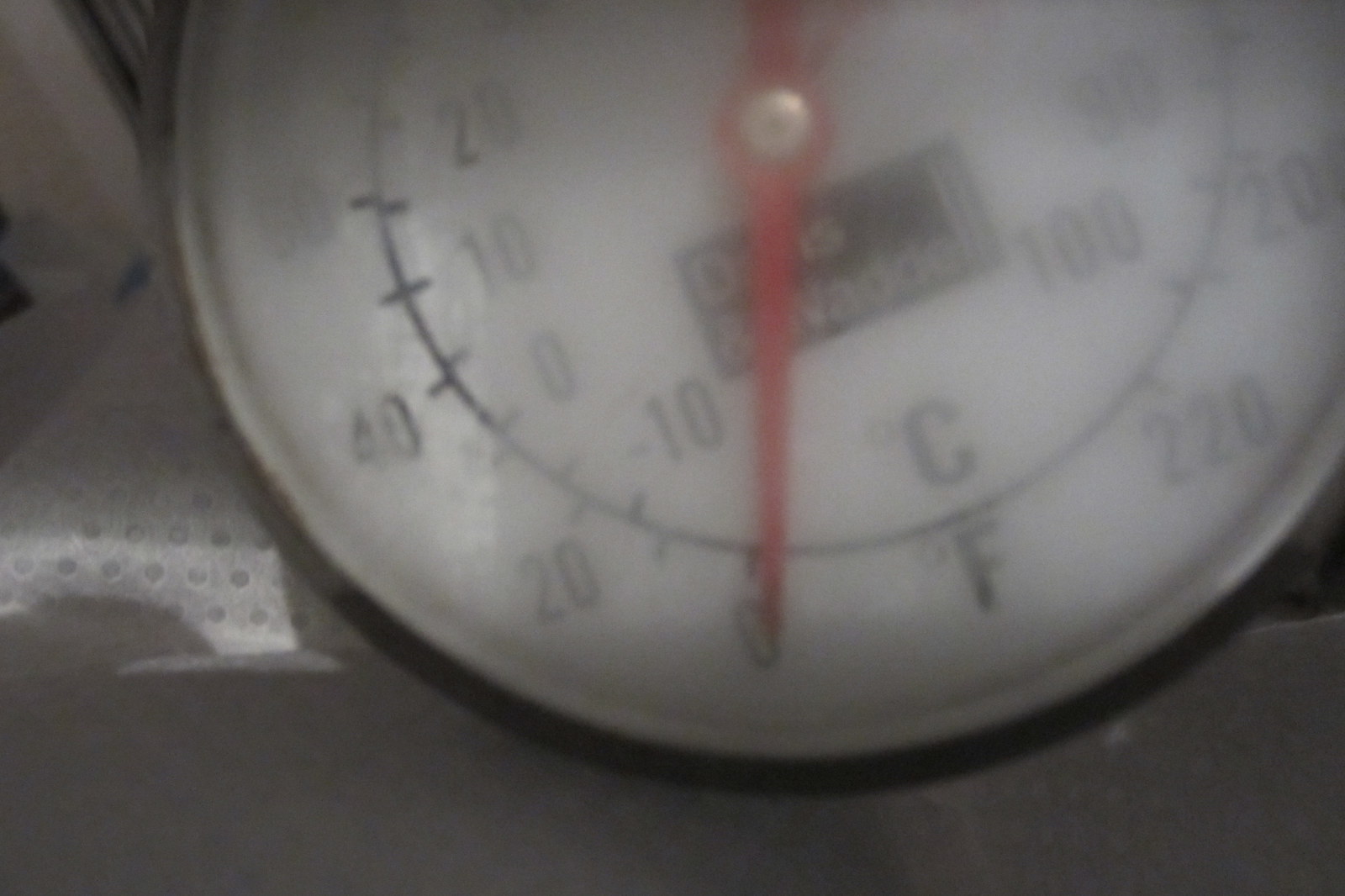
Put your mealworms into the freezer for 1-2 days at a temperature of -10° to -20° Celsius (0° Fahrenheit). There are some articles out there suggesting 15 minutes, but I can assure you that mealworms are very well adapted to shutting down (but not dying) in cold temperatures, in fact one way to prolong their larvae form is to put them into the fridge for months at a time. I once had them in the freezer for 8 hours and after 30 minutes at room temperature were all back like nothing had happened!

This step will ensure that the mealworms naturally shut down and remain in that state for long enough that any chance of returning have gone. It seems a little cruel until you consider how we dispatch some of the other animals we use for food. Insects might not feel pain as we know it (further reading with Smith 1991, DeGrazia & Rowan 1991Gherardi 2009), but we should handle them as if they do.

minus 10 degrees to freeze mealworms
fahrenheit zero prepare mealworms

You can leave those frozen mealworms for up to two months in the freezer, and if you plan on freezing them in batches then make sure to date the containers so you know what’s what. After a couple of months they will still be OK for the compost, for fish, or the chooks. And make sure you keep a lid on whatever container you use to avoid freezer burn.

This is what mealworms look like when frozen. Now let’s cook them!

frozen mealworms preperation

How to Cook Mealworms

The first step here is to boil your frozen mealworms, to ensure they are clean of dirt or potential parasites (such as described in Omoto & Cartwright 2003). Keep them in the boiling water for 3 minutes, then drain out on a napkin or cloth. You can then go on and use the water in the compost bin, as it will have taken enough nutrients to still be useful.

boil mealworms water

Pat them dry and remove any mealworms that are obviously damaged or discoloured.

mealworms boil prepare to cook

Recipe 1 – Dehydrated Mealworms

This is a very easy way to cook mealworms and they taste great also. If you have yet to try a dehydrator, they can be used for plenty more things than preparing insects – drying fruits, vegetables, nuts, meat, ETC.

Ingredients:

  • Mealworms (easy huh!)

Method:

  1. Add mealworms to the dehydrator
  2. Leave them in there until golden brown
  3. Lightly baste with Olive Oil, add a pinch of salt
  4. Eat while warm

If you don’t own a dehydrator, you can substitute the oven grill just as easily – just keep the heat to about 50°C (122°F).

cook mealworms with dehydrator

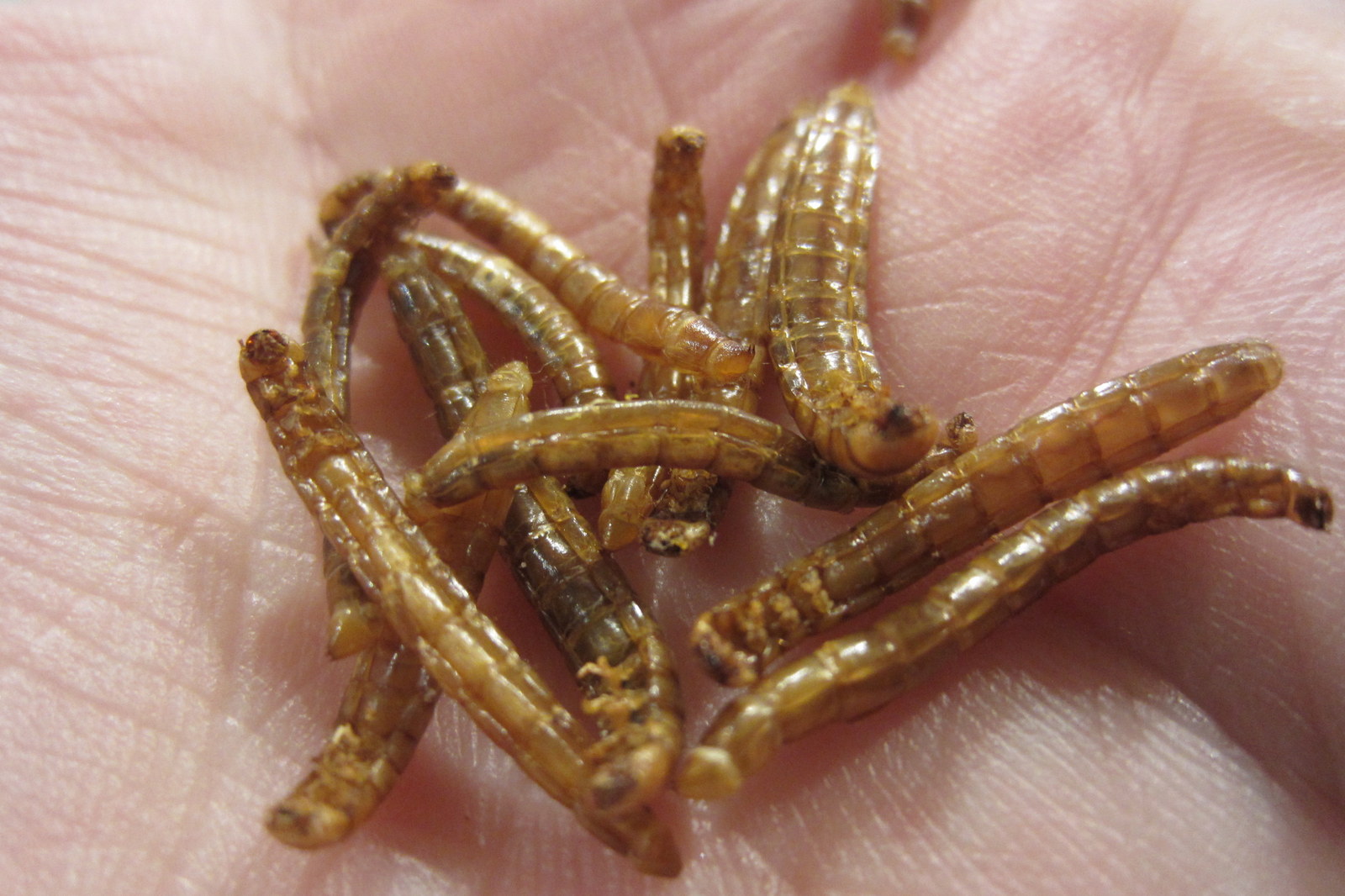
When they look something like this they are ready to eat.

mealworms have been cooked and ready to eat

Remove the head and legs if it helps (it did for me), but after a while it didn’t make any difference.
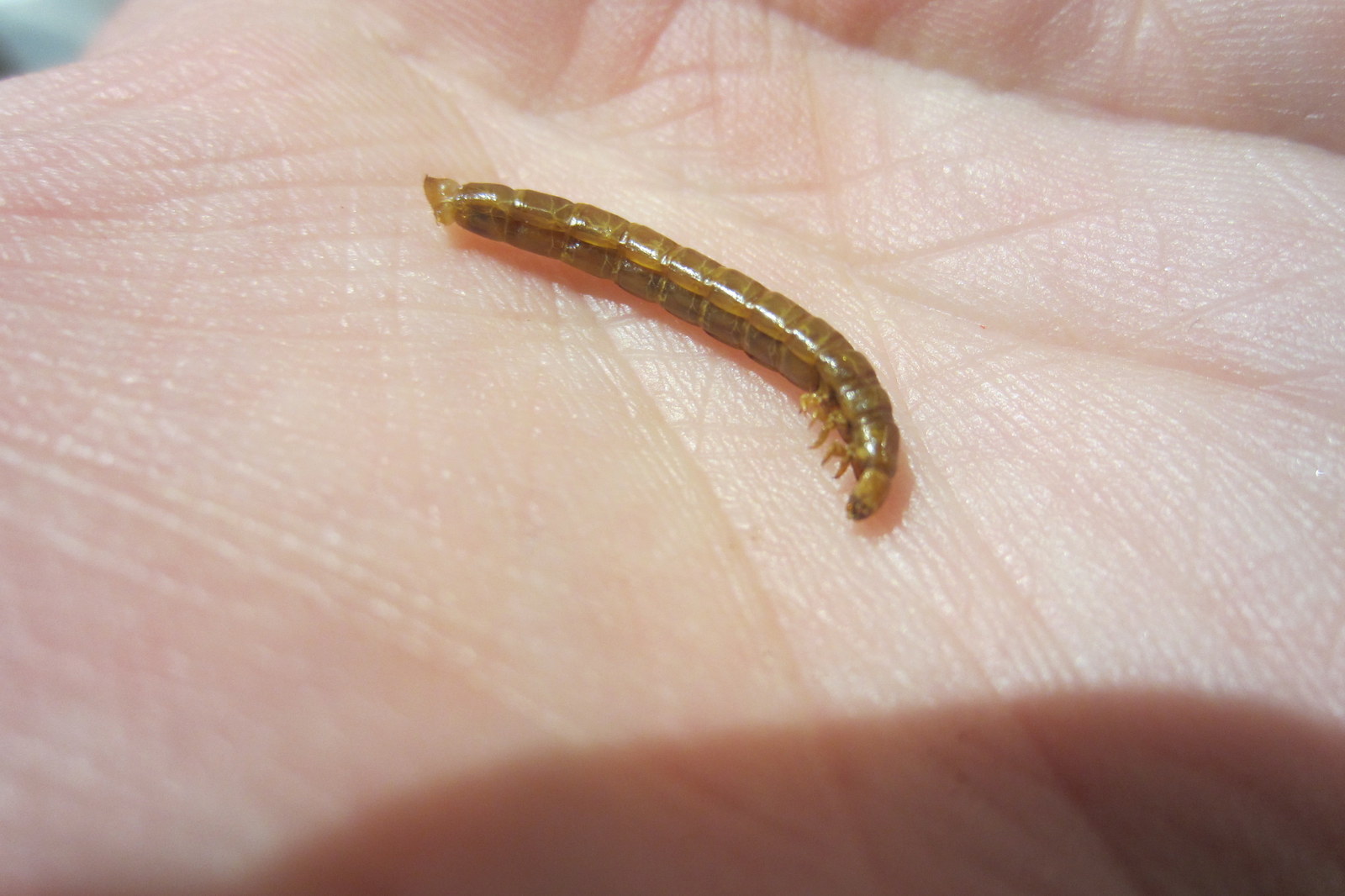
a mealworm ready to eat

Recipe 2 – Mealworms with Garlic and Chilli in Butter

This is a recipe for mealworms that results in a lovely snack. I like to add salt at the end because it makes the whole thing feel like eating little roasted peanuts.

Ingredients:

  • Mealworms
  • Chilli Peppers sliced – with or without the seeds as per your preference
  • Garlic diced
  • Butter – salted or unsalted as per your preference

Method:

  1. Add butter to a moderately heated pan, allow to partially melt
  2. Add the garlic and chilli, sauté
  3. Add mealworms and mix well. If the mealworms start to ‘pop’, turn the heat down
  4. Fry until mealworms are crispy
  5. Season to taste
Prepare butter, garlic, and chilli peppers

Keep a close eye on those mealworms as they cook – if they start to pop then turn down the heat. I’d suggest you sample one before finishing up, because their taste will change depending on how cooked they get. My own preference is to leave them on until crispy.

frying mealworms in butter

This mealworms are glazed just right, so eat one or all.

mealworms ready to eat

Recipe 3 – Mealworm Marinade

This is more about flavouring mealworms than cooking them. Kind of like the thing you can do by adding cinnamon and so on during the purging phase. The following preparation makes for an effective marinade, and is one I’ve used on many occasions.

Ingredients:

  • Mealworms
  • Parsley chopped
  • Lemon Juice
  • Tabasco sauce
  • Pinch of pepper
  • Garlic sliced

Method:

  1. Add all the ingredients
  2. Close the lid and throw into the fridge for 3 hours
  3. Remove mealworms and cook or eat raw
marinade made for mealworms

So Where to Get that Next Meal?

So folks thanks for getting to the end! I hope you are thinking long and hard about Entomophagy and mealworms in particular. You can raise and make them into a meal all from your own home; they taste good, and are nutritionally excellent. There are plenty of recipes out there if you take a look, as more and more people get curious enough to give it a go and share their experience.

Bon appétit, and If you have any questions feel free to ask in the comments sections below.

supermarket shrimp
Shrimp are related to Mealworms – are they really that much different in your eyes?

Further Reading Of Interest

71 responses to “Step-by-Step Guide: How to Prepare and Cook Mealworms”

  1. […] keeping them fresh longer. After blanching, they’re dehydrated. A common method involves placing them in a dehydrator until they turn golden brown. Some people like to lightly coat them with olive oil and sprinkle a pinch of salt before eating […]

    Like

  2. Hi Shane! I loved your article, especially the part where you talked about feeding the mealworms certain foods to give them a particular taste. I was wondering if you’ve ever made mealworms into burger patties before?

    Like

    1. Thanks for writing in Danielle! Sorry to say I never did burger patties but please let me know if you get the chance to try it. Would guess it is mixed in with regular mince?

      Like

  3. Roughly how long does the dehydration process take?

    Like

    1. Depending on the strength of the machine – a couple of hours is about right. But do to your preference as some people like them crispier.

      Like

  4. Shane,
    Maybe I missed a previous article, but do you have a walk through for beginning breeders of meal worms? I know there are plenty of kits out there but was wondering if you had suggestion for do it yourself techniques or certain pitfalls to avoid? Thanks for all the great info!

    Like

    1. also interested in the answer to this question!

      Like

  5. […] This larva of mealworm beetle can be found almost anywhere in this world. While it is usually fed to pets, but actually mealworm is edible too to human. Mealworm is often served in boiled, sautéed, fried, or roasted form. Here is a recipe of healthy snack made from mealworms from Ground to Ground. […]

    Like

  6. Interesting read, veru informative. I’ll be giving some mealworms a try soon.

    Like

    1. Excellent please do! Let us know how it goes.

      Like

  7. Hi Shane! I was doing a bit of reasearch and was wondering if I wanted to supply myself daily with 200 grams of mealworms a day how may mealworms would i need to start with ? How much place would it take?

    Like

    1. Hi Joe, that is a lot of mealworms! I’d recommend that you start with a small batch and build up over successive generations, it could take 6 months to have a large enough farm to start harvesting but by then you would have learned more than just about anyone about mealworms. Hope that helps 😀

      Like

  8. Hello, I wonder at what stage you can ground them into flour for baking? Looking into starting a farm in Peru.

    Serge

    Like

    1. As soon as they are completely dry, you could ground them into a flour. Is this a new business for you? Please tell me more about your plans!

      Like

      1. Is there any danger of buying freeze-dried mealworms for birds or pets and eating them yourself? I read somewhere about getting salmonella that way or something….scary.

        Like

      2. Yeah that would be something to avoid. Heaven knows what the conditions are like when they are doing that! Best advice – do it yourself or from a place you know and trust.

        Like

  9. […] to groundtoground for inspiration. The recipe sauteing mealworms with chili peppers and garlic in butter sounds […]

    Like

  10. […] am forever grateful to this blog for being my introduction to preparing and eating insects. They also explain how to dehydrate […]

    Like

  11. […] – how about being served some pineapple, peppers, and marinated crickets on a shish kebob[4]? Panfried mealworms with garlic and chilis, anyone? Social pressures when inviting over dinner guests compel us to serve huge good-looking […]

    Like

  12. Just a comment about mealworms being related to shrimp. I fail to see the connection. Mealworms are insects and shrimp are crustaceans. Otherwise I found your article interesting as my son is quite intrigued with the idea of trying to eat mealworms. Your ideas and those of your readers will come in very handy as we try this new family adventure.

    Like

    1. Maybe – I was just going by what I read on Wikipedia.

      Despite the name, shellfish are not a kind of fish, but are simply water-dwelling animals. Many varieties of shellfish (crustaceans in particular) are actually closely related to insects and arachnids, making up one of the main classes of the phylum Arthropoda. Cephalopods (squid, octopus, cuttlefish) and bivalves (clams, oysters) are molluscs, as are snails and slugs.

      Like

    2. Necroposting of 10 years, I know. But insects are crustaceans.

      Like

  13. I bought some mealworms at the local pet store and am getting ready to cook them. I tried removing them from their food to purge them, as suggested, but now they have started eating eachother. I stopped the purging process and put them in the freezer.

    Is this a common problem? It seems counter productive to purge them if they are just going to eat other worms, fewer worms and those remaining will still need purging?

    Like

    1. Hi Will, sorry to hear about that but I never saw that happen with my mealworms. How long ago did you buy them?

      Like

      1. Hi, thanks for the reply. I bought the “superworms” from petco about a week ago. I left them in the container with the pre packaged bedding / food. When I sifted out the mealworms, they started eating each other after a short time of being without food. Once I saw this I placed them in the freezer.

        Like

      2. Maybe try the normal sized ones next time. Those superworms might be a different species or forced in some way to keep growing after they should have already cocooned. Did you get around to eating them, what were they like?

        Like

      3. I finally got around to eating them. This was my first go at eating insects, so I don’t have much to compare them to. I didn”t really care for the flavor, sort of like coconut oil. I cooked them in a frying pan with butter, garlic, and onions.

        Like

      4. Well I heard superworms taste like peanuts when you bake them in the oven. I ordered some live superworms and I’m going to try them out and make a video of it later.

        Like

    2. I have seen this happen too. Instead of purging them in this case, let them eat something you don’t mind having them eat, such as dry grain as an example. This kind of thing is a common practice when mealworms will be used for animal treats, is called “gut loading” and is a method to increase their nutrition value for the pet.

      Like

  14. I have got to stop reading posts like this, they keep making my mouth water, especially before dinner 🙂

    Liked by 1 person

  15. Would they not taste better if you cooked them live? I would think that the freezing process would soften them.

    Like

    1. It might Kyle but I didn’t want to cook them while they were alive. Just something about doing that to a living creature was a little too much for me.

      Liked by 1 person

    2. The freezing process does not soften them, but if left in the freezer too long mealworms develop a rotten smell and flavor, at which point their bodies are no longer fit for human consumption. I left mine in the freezer over a week just to be on the safe side before processing, and when I went to finish the process up, they had become bad. Smell and taste were like rancid plus rotten. I wouldn’t have thought that would happen at freezer temps after such a short time? but it does, and it’s a waste of their lives so don’t wait too long with it. If you can electric steam or deep fry them hot so they die in seconds? I agree with OP that it’s a bit much watching these little guys suffer, though maybe people who haven’t raised their own worms don’t care.

      Like

      1. Leave them in the freezer for only a few hours if you are having issues with the smell.

        Like

  16. I am raising mealworms for my chickens. I want to store them and have frozen them for 1 hour then put them in a dehydrator at 120 degrees for 2-3 hours. However most of them are turning black even though they are not dried out yet. Any thoughts why they are this color rather than golden brown?

    Like

    1. Hi Julia, sorry for the delay. A few questions that might help us figure it out:
      How cold is your freezer?
      How long do you keep them in there for?
      Do you cover them with a lid or open to the freezer air?

      Like

      1. Thanks for answering me re mealworms. I left them in freezer for 1-2 hours at zero degrees F. They are uncovered.
        Julia

        Like

      2. Might be getting frost damage at that temperature. Maybe try them for an hour max in there but cover them up with some cling wrap also. Please let me know how that goes.

        Like

    2. Try steaming/blanching them for a minute before dehydrating.

      Like

  17. Why don’t you just grow them for the livestock? They eat the worms and you eat the chickens, kind of makes more sense than you eating them directly. Yuk Yuk.

    Like

    1. Who long can I have them out after just being roasted till they go bad

      Like

      1. (How) long can I have them out after just being roasted till they go bad

        Like

    2. Try studying GCSE biology and learning about ‘energy transfers in ecosystems’. That, combined with the large space required to farm cows and the significant contribution to climate change is why mealworm farming is much more efficient and you should eat them directly.

      Like

  18. I just started raising my own mealworms as a cheap alternative food source. I got 100 large worms to start with and am keeping them in a ventilated container with oats and potato slices. I’ve eaten and prepared mealworms before but, now that I am raising my own, I am wondering if they are still edible when they turn to beetles? And, if so, what are some good ways to eat them? I’ve been searching online and having a hard time getting an answer. Hope somebody can help. Thanks!

    Liked by 1 person

    1. Hi Ty. Sorry mate but you shouldn’t eat them once they become beetles. That’s the time to keep them healthy so they lay plenty of eggs and give you more mealworms to eat.

      Like

      1. I have also been looking for an answer about this for some darn time. The question is clearly stated. Not “SHOULD you”, but “CAN you, safely: ARE darkling beetles safe for human consumption, and if not, why not?” There really is no good reason NOT to know something like that when you are raising mealworms for a purpose and know that lizards at least can eat the beetles.

        Like

      2. I don’t see why you couldn’t eat the beetles also. So many different types of beetle are already consumed so should be fine. Cook them well though – deep fry sound tasty!

        Like

  19. We are just getting started in raising our own mealworms. We started this mainly since we bought a leopard gecko and that is the recommended feed for them. I have to say that I’ve seen many shows about eating mealworms and I thought, “why not?” I told the wife that we may try it as well; she didnt seem to be nearly as thrilled or excited about he idea.

    We should have our initial shipment of 5,000 mealworms by the middle of the week. We are going to be raising them in a bed of wheat bran, with the occasional apple slice or carrot thrown in for good measure. I like the idea of crushed cinnamon stick too.

    Like

    1. Wow you are getting 5000 of them! What a way to make a start. You might find that they get through the carrot quickly so always keep them handy. Best of luck with it and I’d be very interested to hear about your experience with breeding mealworms.
      Thanks for writing in 🙂

      Like

      1. I got 2000 mealworms but had to split them with my sister.( We have nine lizards)
        I think i’ll try the garlic and pepper recipe. It’s easy to breed mealworms so i think the lizards can share their food 🙂

        Like

  20. […] Just the fact that we use terms like ‘war’, ‘fight’, and ‘battle to eradicate’, in describing our relationship with a plant is at about the same level of reason as when discussing our need in the West to incorporate Entomophagy. […]

    Like

  21. […] – Tips på hur man odlar egna mjölbaggslarver och smaksätter dem. https://groundtoground.org/2013/01/30/how-prepare-eat-mealworms/ […]

    Like

  22. Thanks for recommending boiling and the purging. A lot of other recipes skip those steps, and I didn’t know that one could get sick from undercooked worms.
    Even though that sounds pretty bad when I say it like that.

    Like

    1. No worries Danni, happy I could help. There are those that eat them without those steps and do just fine, but better safe than sorry. Are you trying this also?

      Like

      1. Yeah, I was thinking of starting a pen to raise them in. I can’t really farm much larger things than insects at the moment. The worms themselves can get expensive if you want to buy them in bulk.

        Like

      2. Very true Danni. I have 2 pens going now and there is enough to feed my 30 odd fish in the aquaponics tank. Growing them in oats is perfect because that and the worms go into the tank by the handful.

        Like

  23. Roughly how long do you dehydrate them for?

    Like

    1. Hi Judy – about 2 hours seems to do it. Will be determined by their size, ambient temperature, how long I boil them for, and all that. Just keep an eye on them and remove when the color gets deeper and they look glazed. Yum!

      Like

  24. I must say I’m with Shelley on this even though I realize it’s silly to judge food based on appearances. BTW, did you know lobsters were considered a trash species until the early 20th century? Only the poorest of the poor would eat them before that. Just goes to show how attitudes change.

    Like

    1. I’ll have to do a post on that then, because it would highlight how societies attitude can be reversed in a very short period of time (ever hear of the Renaissance era codpiece?)

      Like

    2. Check out Nova Scotia history where they had to make it “law” that the prison inmates were not to be feed lobster more than three times a week.

      Like

  25. This is really interesting. I don’t have a problem eating mealworms as I love to eat very crisply fried tiny fish, which look very similar. I’ve also had fried grasshoppers in Japan. But I’ve never seen a recipe for cooking mealworms before. Please keep posting!

    Like

    1. Thanks mate. I’ll keep posting as I eat them – and funny you mention fried tiny fish because there is not that much difference once you get oil and salt onto them.

      Like

    2. have a look at Wikipedia – shows mealworms greens stir fry in China

      Liked by 1 person

  26. More power to you…but something in me just recoils at the thought. I’ll never say never, though.

    Like

    1. Thanks for that Shelley – just give them a chance is all I’m asking!

      Like

Write some words and spread joy

Trending